
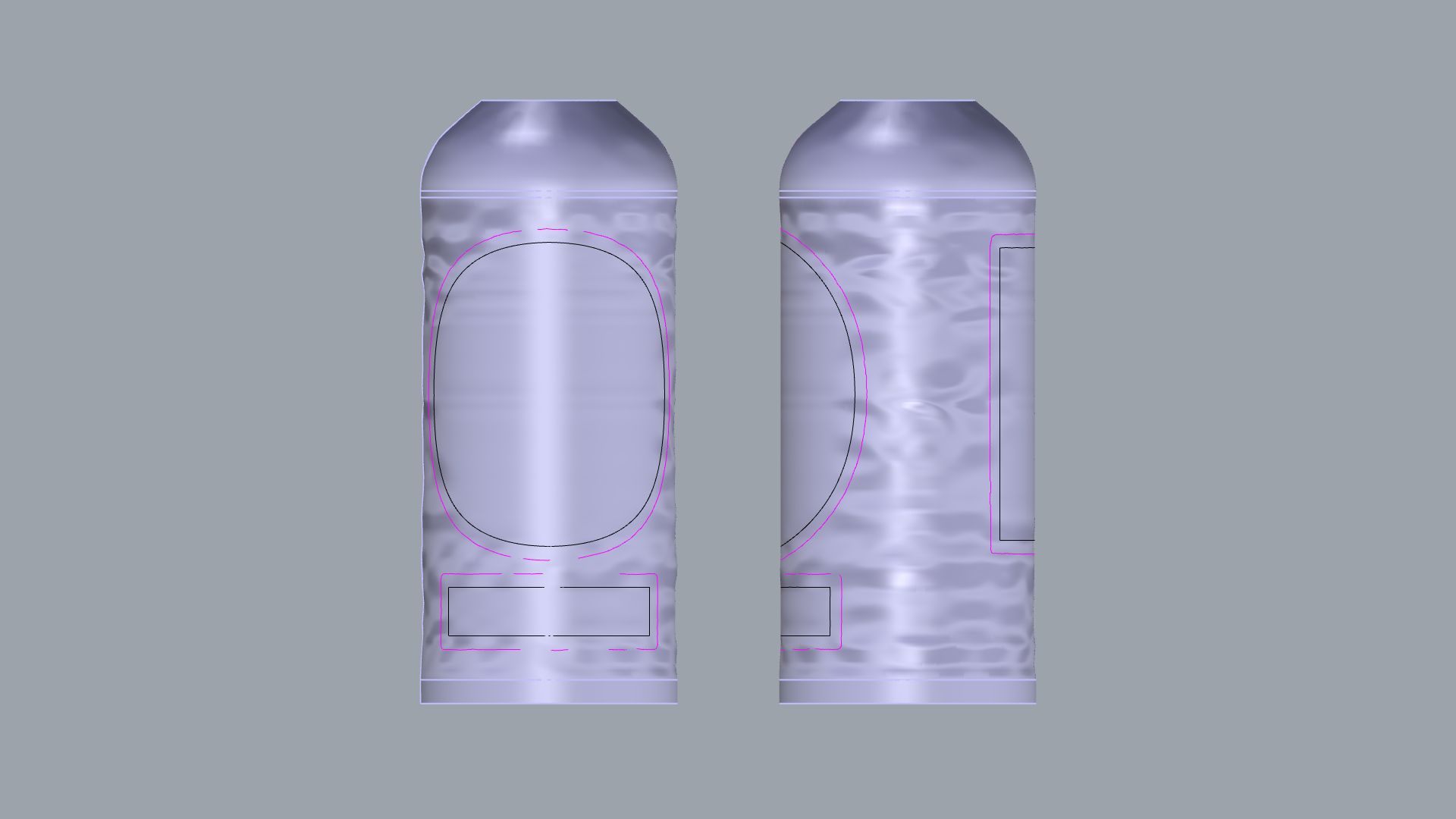
From Concept to Production-Ready Packaging: Our Development Process.
Every successful package begins with a great idea. The challenge is transforming that idea into something that can be manufactured efficiently, filled reliably, and faithfully represent the original design intent.
At juice3D, we specialise in structural packaging design and technical packaging development, helping brand owners, creative agencies, and manufacturers bridge the gap between concept and commercial production. Whether we're developing an entirely new bottle design or refining an existing concept, our role is to ensure every package is ready for the realities of manufacturing.
No two projects are ever the same, but our development process is built around a proven methodology that delivers production-ready packaging without compromising creativity.
1. Understanding the Concept
Every project begins with understanding the original vision. We work closely with designers, brand owners, and manufacturers to understand the creative intent, product requirements, manufacturing constraints, and commercial objectives.
This early collaboration allows us to identify potential challenges before development begins and ensures the engineering process supports the original design rather than changing it.
2. CAD Development
Once the concept has been defined, we begin detailed CAD development. Using advanced surface modellingtechniques, we create accurate three-dimensional geometry that captures every detail of the design while ensuring it remains suitable for commercial manufacture.
Whether the project involves intricate embossing, complex organic forms, or highly technical packaging features, every surface is carefully engineered to achieve the desired appearance while meeting production requirements.
3. Technical Review
As the design evolves, it undergoes a comprehensive technical review.
This stage considers every aspect of the package, including manufacturability, decoration, labelling, filling line compatibility, draft angles, wall thickness, and tooling requirements. Identifying and resolving these issues early helps minimise costly changes later in the development process.
Our objective is to ensure the design performs as well in production as it does on screen.
4. 3D Visualisation
Before committing to production, we create high-quality 3D visualisations that allow stakeholders to review the packaging in detail.
These realistic visuals help communicate design intent, evaluate proportions, assess decorative finishes, and support decision-making long before tooling begins. By visualising the final product early, refinements can be made quickly and confidently.
5. CAD Delivery
Once the design has been approved, we prepare comprehensive production-ready CAD data for the manufacturer.
This includes the technical information required for tooling, engineering, and manufacturing, ensuring the original design intent is accurately translated into a manufacturable product.
Delivering accurate, production-ready data helps streamline communication between all parties and supports an efficient transition into manufacture.
6. Tooling and Production
While tooling is carried out by specialist manufacturers, our involvement doesn't end with the delivery of the CAD files. We continue to work collaboratively with manufacturers throughout the tooling and production process, providing technical support where required to help ensure the finished product faithfully reflects the approved design.
The result is production-ready packaging that balances creativity, engineering, and commercial manufacturing requirements.
Turning Great Ideas into Reality
Every packaging concept presents its own unique challenges. Whether it's developing a premium bottle design, refining complex embossing, engineering advanced surface treatments, or preparing CAD data for glass manufacturing, our focus remains the same—to preserve the original design vision while ensuring it can be manufactured successfully.
If you're developing a new packaging concept or preparing an existing design for production, juice3D can help transform your ideas into production-ready packaging through expert structural packaging design, CAD development, and technical packaging development.
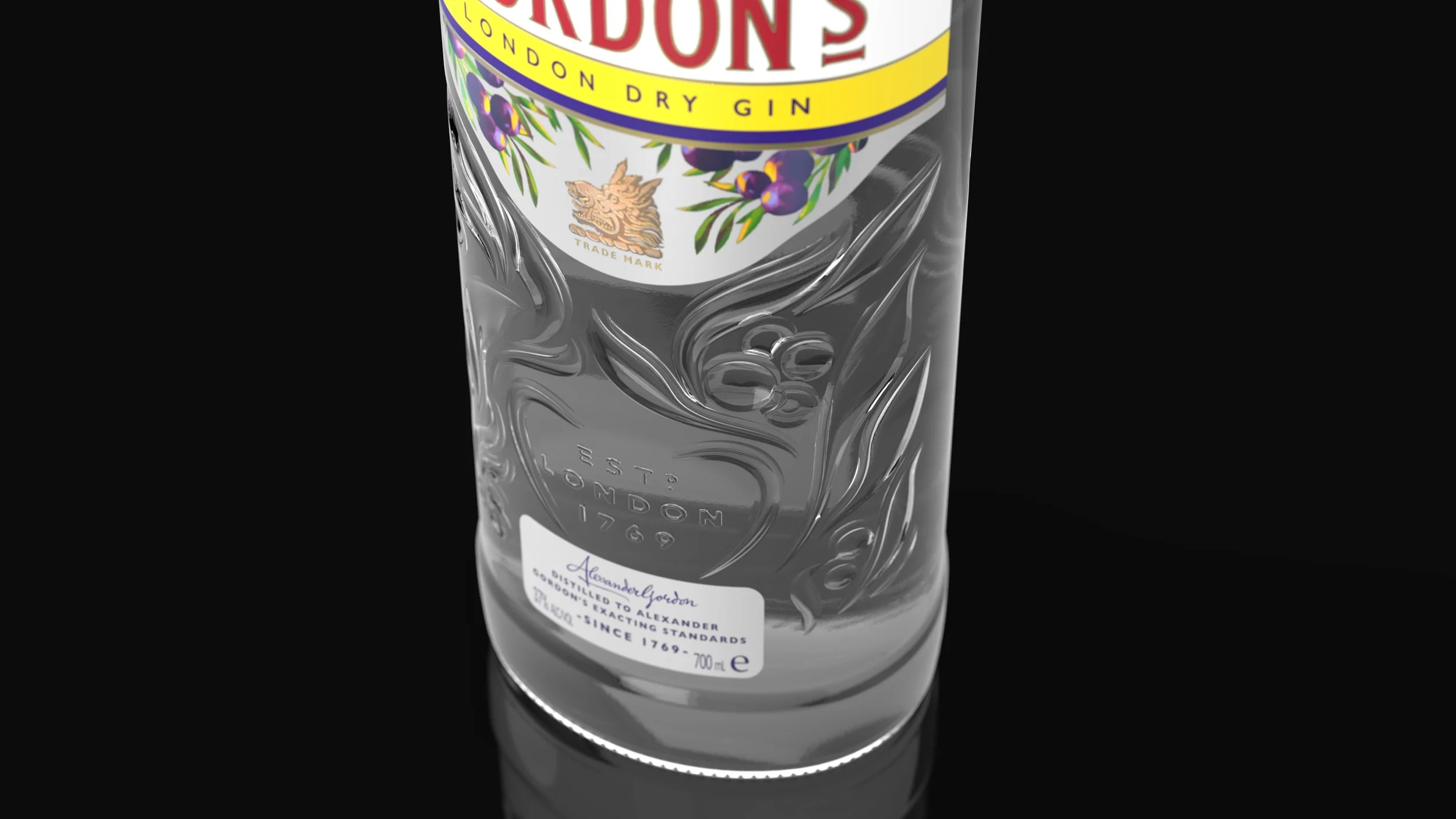
Every Packaging Challenge Is Different.
No two packaging projects are ever the same.
While every project benefits from the experience we've gained developing structural packaging across glass, plastic, and cartonboard, each new concept brings its own unique set of technical challenges. That's what makes structural packaging design so rewarding—and why every solution must be approached with fresh thinking.
Whether we're working alongside design agencies, brand owners, or manufacturers, our role is to bridge the gap between creative vision and commercial reality. Many of the concepts we receive push the boundaries of conventional bottle design, incorporating complex structural forms, intricate embossing, organic surface treatments, or unique aesthetic features that haven't been manufactured before.
Our challenge is to preserve that original design intent while ensuring the packaging can be successfully manufactured, decorated, labelled, and perform reliably on filling lines.
Achieving this requires more than great design—it requires technical expertise.
Every project begins by understanding the creative vision and the manufacturing objectives. From there, we follow a proven development process that includes CAD development, technical design reviews, advanced 3D visualisation, and close collaboration with manufacturers. Throughout the process, every detail is carefully evaluated to ensure the packaging is suitable for tooling, efficient production, and the realities of commercial glass manufacturing or plastic packaging production.
Using advanced surface modelling techniques, we refine complex geometry, resolve manufacturing constraints, and develop production-ready technical data without compromising the original concept. Our goal is never to redesign the idea, but to engineer it so it can be manufactured successfully.
The final stage is the delivery of comprehensive CAD data and technical information to the manufacturer, providing everything required for tooling development and commercial production. This ensures the finished package faithfully reflects the original creative vision while being fully optimised for manufacture.
At Juice3D, we believe the best packaging is created when creativity and engineering work together. By combining structural packaging design, CAD development, tooling expertise, and a deep understanding of manufacturing processes, we help transform ambitious concepts into production-ready packaging that performs as well on the production line as it does on the shelf.
If you have a packaging concept that needs to be engineered for manufacture, we'd love to help. Whether you're developing a new bottle design, refining an existing package, or preparing a product for commercial production, Juice3D has the technical expertise to help turn your ideas into production-ready packaging.
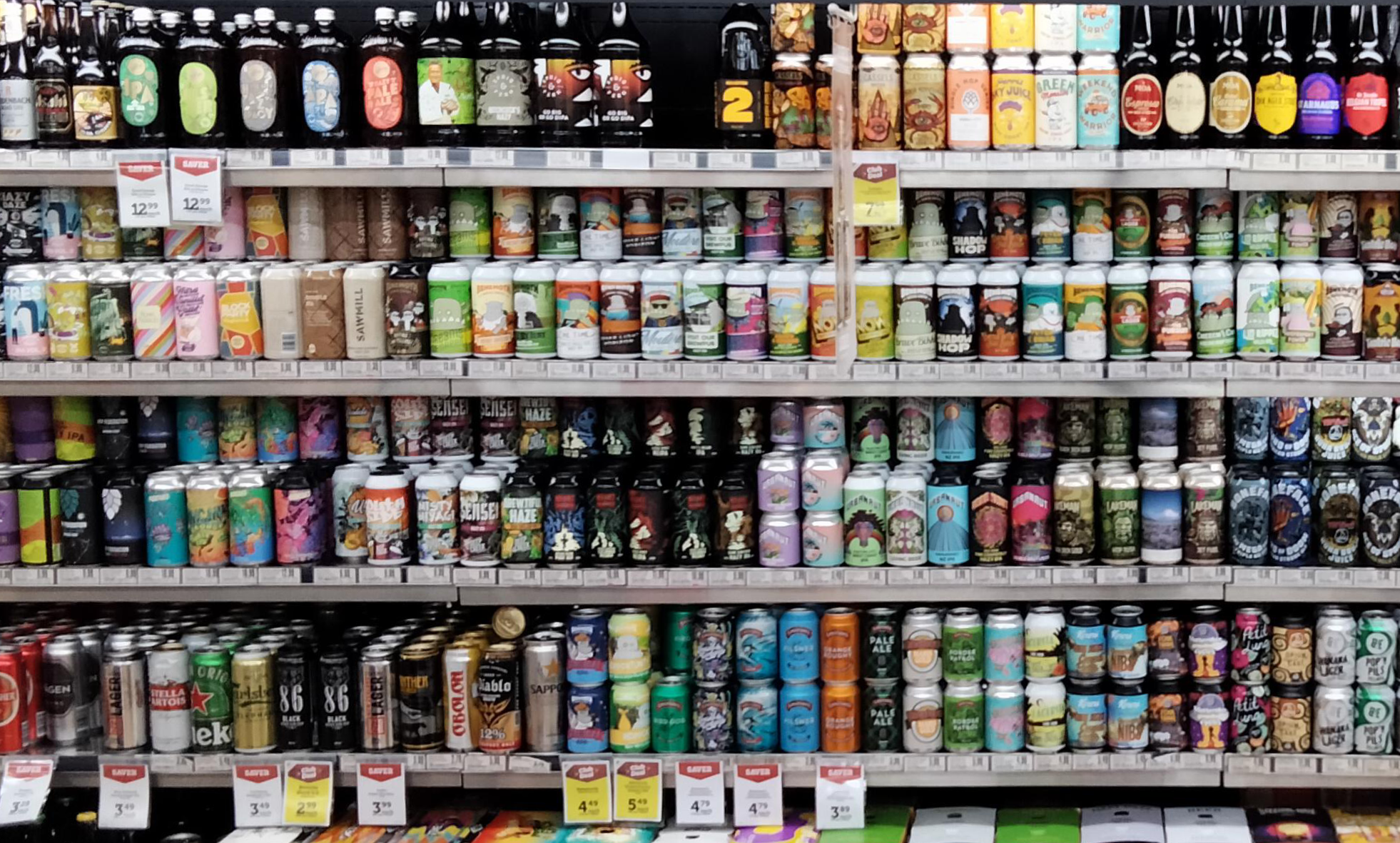
Does Bespoke Structural Packaging Design Still Matter?
As manufacturing costs rise and supply chains become increasingly complex, many brands are reassessing how they approach packaging. For some, that means moving towards standard packaging platforms. For others, bespoke structural packaging continues to play a critical role in creating differentiation, reinforcing brand identity, and delivering a premium consumer experience.
While standard packaging can deliver commercial benefits, it also presents a challenge: how does a brand stand out when the structure of the pack looks like everyone else's?
For decades, structural packaging has been one of the most powerful ways to create recognition. Long before a consumer reads a label, they experience the shape of a bottle, the feel of an embossed surface, or the balance of a package in their hand. Great packaging creates an emotional connection that extends beyond graphics alone.
That doesn't mean every product requires a completely bespoke container. In many cases, an existing packaging platform is the right commercial choice. The key is understanding where structural design can add value and where it should work alongside manufacturing, sustainability, and commercial objectives.
At Juice3D, we believe structural packaging should never be different simply for the sake of being different. Every design decision should solve a problem, strengthen a brand, or improve the manufacturing process. Whether that's developing a completely new bottle, refining an existing package through CAD development and surface modelling, or preparing a concept for production-ready tooling, the goal remains the same: create packaging that works.
The most successful packaging isn't necessarily the most complex. It's the packaging that achieves the right balance between brand identity, manufacturability, cost, and the consumer experience.
As markets continue to evolve, structural packaging will evolve with them. New materials, smarter manufacturing, and changing consumer expectations will all influence the way products are packaged. But one thing won't change—the role of great structural design in helping brands connect with people.
The question isn't whether bespoke structural packaging still matters. The real question is where it creates the greatest value. The best packaging solutions aren't defined by whether they're custom or off the shelf—they're defined by how well they meet the needs of the brand, the product, and the consumer.
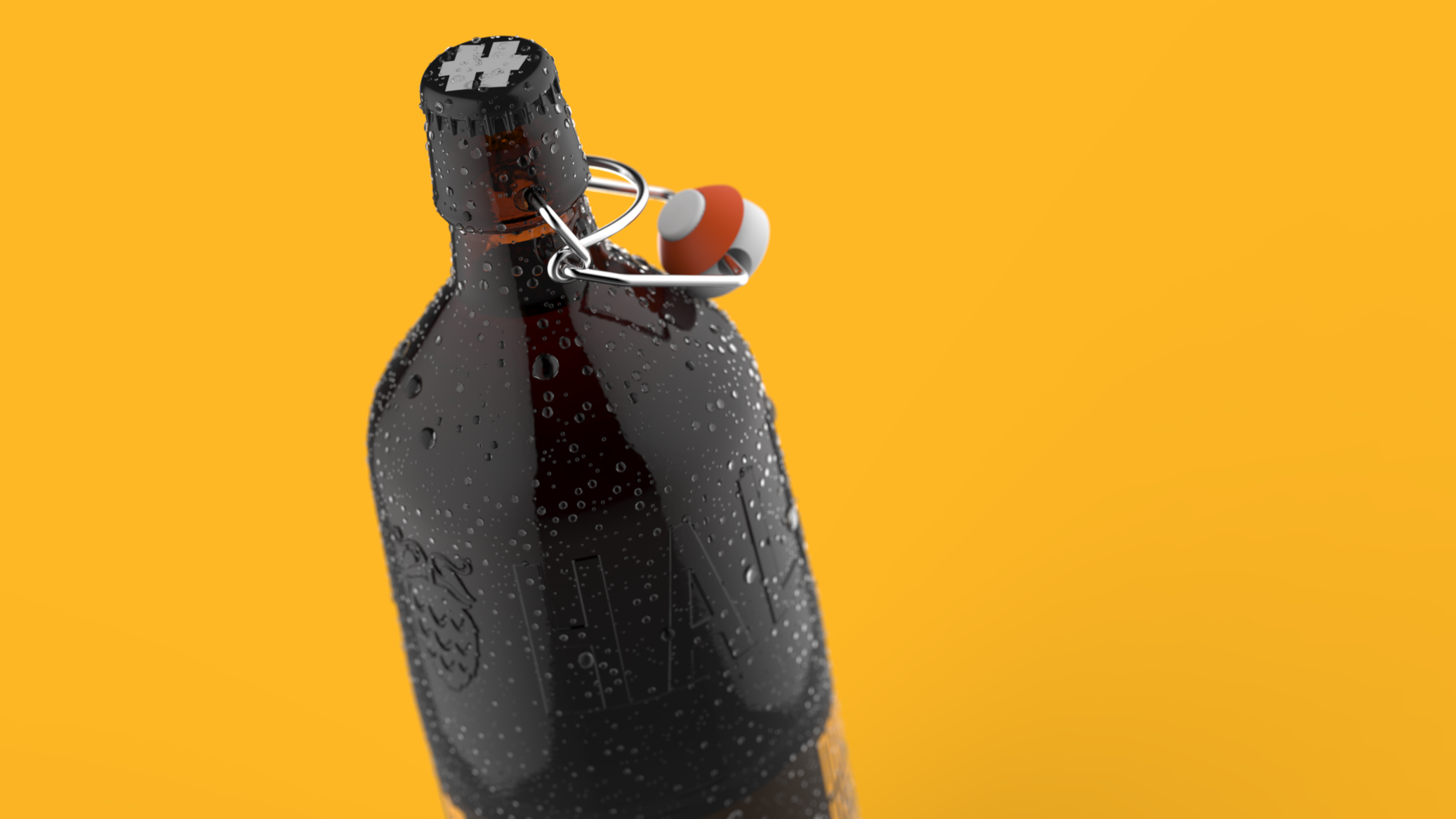
Rethinking a Beer Bottle for a More Sustainable Future.
In a market where beer shelves are increasingly dominated by lookalike cans, standing out requires more than great branding. It takes thoughtful bottle design and technical development to create packaging that leaves a lasting impression while delivering real value to both consumers and producers.
The Keeper bottle was developed with a simple ambition: create a premium glass bottle designed to be reused, not discarded. Rather than following conventional bottle formats, the project explored how innovative structural packaging design, CAD development, and engineering could combine sustainability, functionality, and a distinctive brand presence in a single package.
Using advanced surface modelling techniques, the bottle was carefully developed to achieve its bold geometric form while ensuring it remained suitable for commercial glass manufacturing. Every surface and transition was refined to balance visual impact with the practical requirements of glass production, mould design, and filling line compatibility.
A key innovation was the development of a dual-neck finish, allowing the bottle to be sealed with either a traditional crown cap or a swing-top closure. This unique feature gives the bottle an extended lifespan, encouraging endless reuse while providing flexibility for different filling and closure systems.
To further strengthen the bottle's identity, a continuous 360° embossing feature was incorporated around the shoulder, creating a distinctive appearance without relying on a paper label. Integrating this level of detail required careful consideration of tooling requirements to ensure the embossing could be reproduced consistently while maintaining glass quality and manufacturing efficiency.
The result is a bottle that combines bold aesthetics with technical performance. Through careful CAD development, surface modelling, and production-focused engineering, the Keeper bottle demonstrates how innovative packaging can move beyond visual appeal to deliver practical, sustainable outcomes.
Projects like this demonstrate how structural packaging design is about more than creating attractive forms. By combining engineering expertise with a deep understanding of bottle design, tooling, and commercial manufacturing, it's possible to develop packaging that performs as well in production as it does on the shelf.
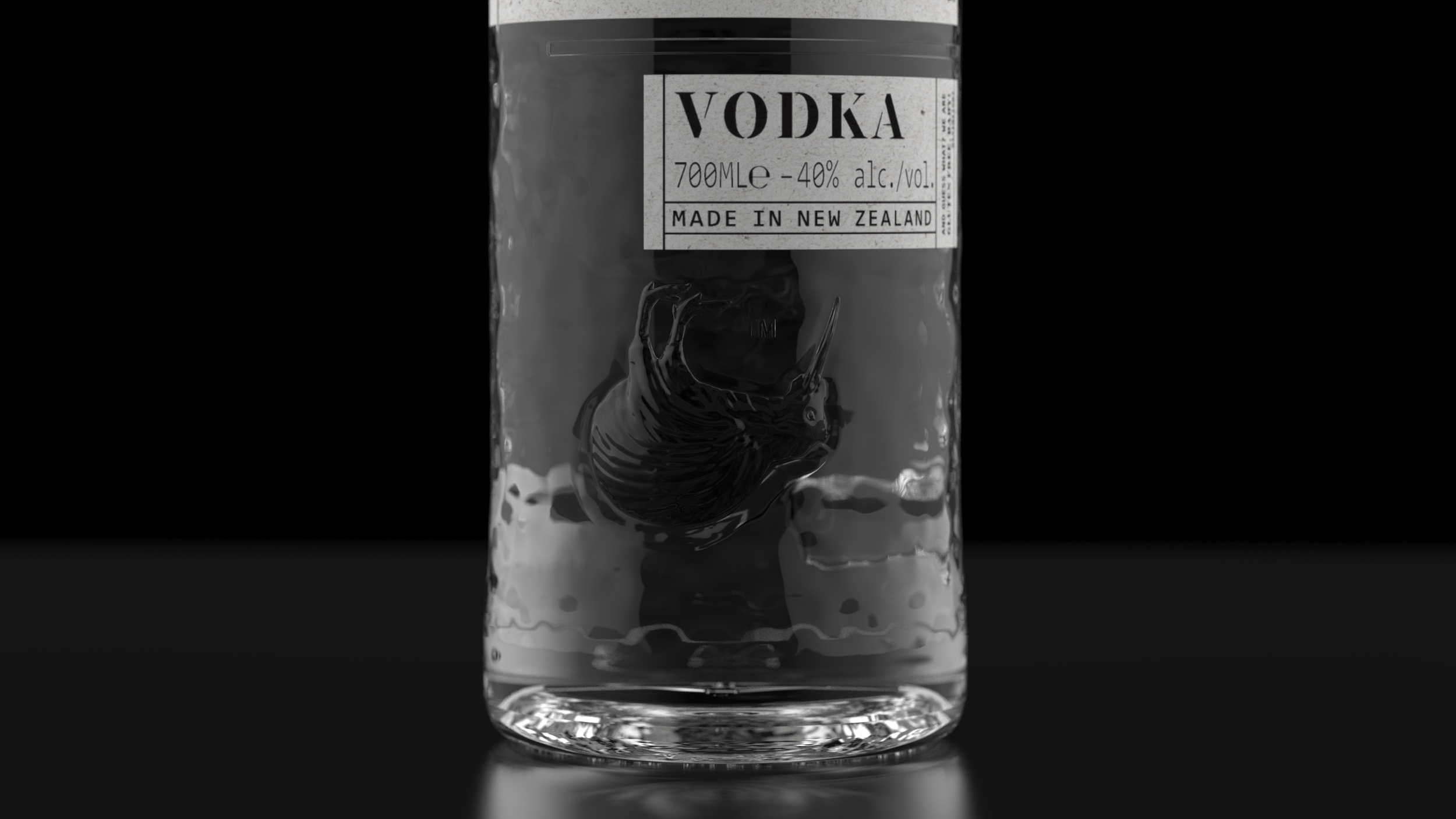
Bringing an Icon Home: Engineering the 42 Below Bottle for Local Production.
Returning the manufacture of an iconic bottle to New Zealand is about far more than changing where it's made. It requires preserving the bottle design consumers recognise while adapting it to local manufacturing processes and capabilities.
For the 42 Below bottle, our role was to help transition manufacturing back to the Antipodes by reverse-engineering the original bottle and preparing it for efficient local production. The challenge was to retain every detail that defined the bottle's identity—from its intricate surface modelling and decorative treatments to its distinctive Kiwi-inspired features—while ensuring the design could be manufactured reliably using local tooling.
The project involved extensive CAD development to recreate the original bottle geometry and produce two production-ready formats: the existing 700 mL bottle and a new, shorter 1.0 L version. Every surface, embossing detail, and decorative feature was carefully refined to preserve the character of the original design while meeting the technical requirements of local glass manufacturing.
Throughout the development process, we optimised the bottle geometry for tooling, manufacturing efficiency, and commercial production without compromising the pack's visual integrity. By balancing technical requirements with the original design intent, we ensured the bottle could be manufactured consistently while maintaining its premium appearance.
Projects like this highlight the importance of technical packaging development in bringing complex designs into production. By combining reverse engineering, CAD development, surface modelling, and manufacturing expertise, we help brands retain their identity while ensuring their packaging is ready for efficient, commercial-scale production.
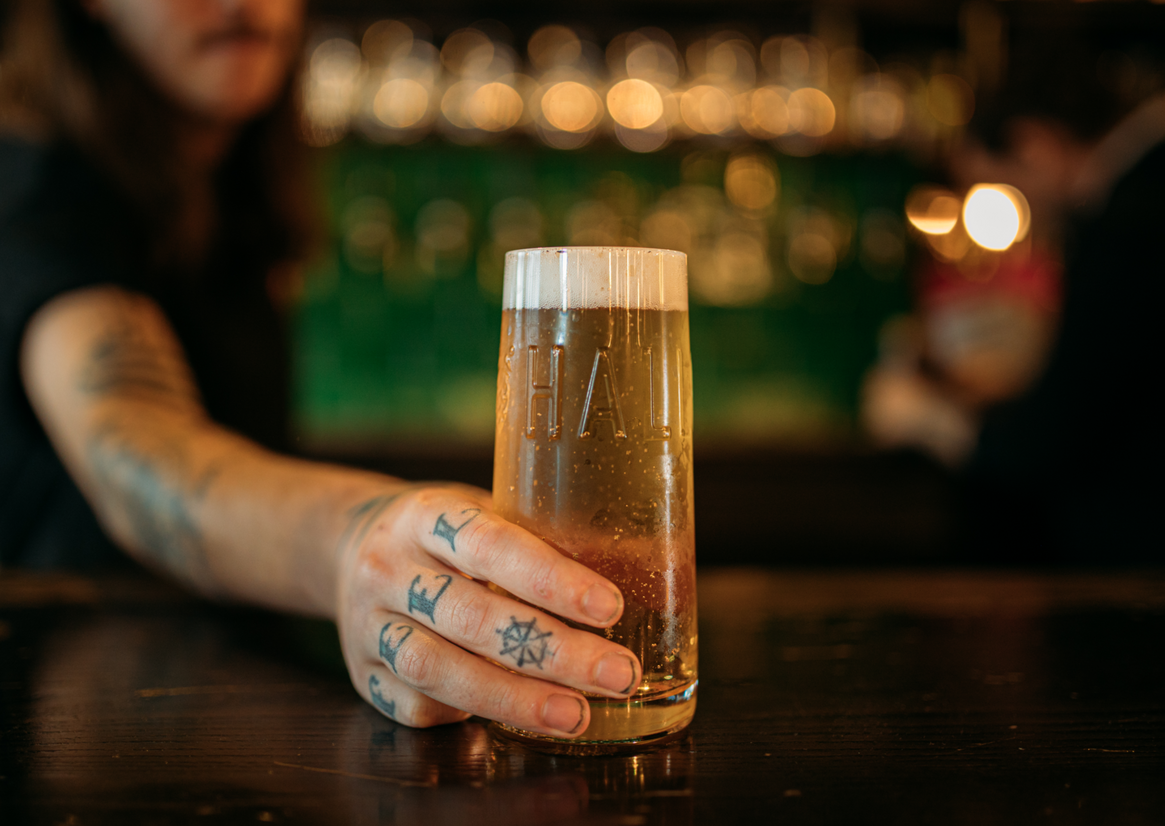
Custom Beer Glass Design: Extending a Brewery Brand Beyond the Bottle.
About the Author
Thomas Flinn is the Director of Juice3D and specialises in structural packaging design, CAD development, surface modelling, and technical packaging development for glass, plastic, and cartonboard packaging.
Great packaging can do more than protect a product—it can shape the entire brand experience. Sometimes, the best ideas don't come from a formal brief, but from recognising an opportunity to build on an existing success.
Following the development of a proprietary bottle design for the brewery, we identified an opportunity to extend the brand into a new touchpoint: custom glassware. The objective was to create a glass that not only visually complemented the bottle but also elevated the beer-drinking experience and provided the brewery with an additional retail product.
Rather than treating the glass as a standalone item, we approached it as an extension of the packaging system. Through CAD development and surface modelling, the glass was engineered to echo the bottle's distinctive silhouette and detailing, creating a cohesive connection between the product, the vessel, and the brand itself. Every aspect of the form was refined to ensure it reinforced the brewery's identity while remaining suitable for commercial manufacture and efficient tooling.
Beyond aesthetics, the glass was developed to improve functionality and enjoyment. The geometry was carefully optimised to enhance aroma, support head retention, and create a more engaging drinking experience. Once the design was finalised, we supplied the complete CAD data and technical information to the manufacturer, ensuring the glass could be tooled and produced accurately while maintaining the design intent.
The outcome was a bespoke 400 mL glass that seamlessly complemented the proprietary bottle design while adding value beyond the point of purchase. It strengthened the overall brand experience, created a premium piece of branded merchandise, and opened up an additional revenue opportunity for the brewery.
Projects like this demonstrate how technical packaging development extends beyond the primary container. By combining CAD development, surface modelling, manufacturing expertise, and production-ready technical documentation, we help brands create cohesive packaging solutions that can be confidently taken from concept through to commercial production.
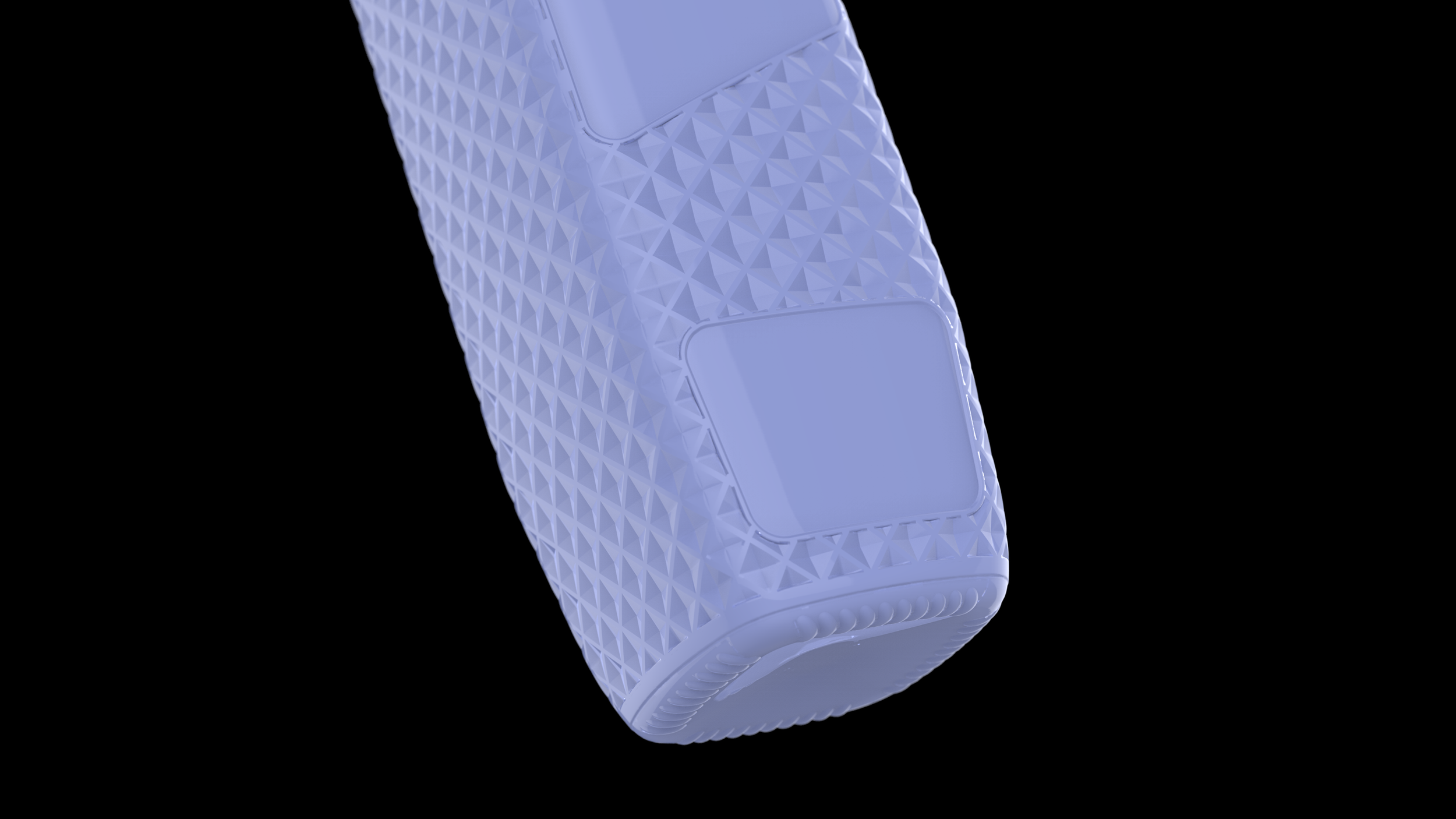
Technical Packaging Development: Turning Bottle Concepts into Production-Ready Packaging.
A strong packaging concept is only the beginning. Turning an ambitious bottle design into something that can be manufactured efficiently requires careful engineering, technical expertise, and a deep understanding of the production process.
For this project, we were engaged to realise an existing bottle concept featuring a textured surface inspired by the subtle movement and fluidity of water. While the creative direction had already been established, the challenge was to ensure the design could be successfully manufactured at commercial scale without compromising its visual intent.
Using advanced CAD development and surface modelling techniques, we refined the bottle geometry to optimise it for production. Particular attention was given to eliminating potential part-line scuffing, preserving the integrity of the textured surface, and creating seamless transitions into the three label panels. Every refinement was made with tooling, decoration, and manufacturing requirements in mind, ensuring the design could be produced consistently and efficiently.
Once the engineering phase was complete, we supplied the production-ready CAD data and technical information to the manufacturer, providing everything required for mould development and commercial production. This ensured the original design intent was accurately translated into a manufacturable glass bottle.
The outcome was a production-ready bottle that faithfully retained the original creative vision while meeting the technical demands of large-scale glass manufacturing. By resolving engineering challenges early in the development process, the final bottle was optimised for mould production, decoration, filling line compatibility, and long-term manufacturing efficiency.
This project demonstrates how technical packaging development bridges the gap between creative design and successful commercial production. Through CAD development, surface modelling, and a thorough understanding of tooling and manufacturing processes, we help transform innovative packaging concepts into production-ready solutions with confidence.
When Small Design Changes Deliver Big Manufacturing Benefits.
It All Begins Here
One of the most rewarding aspects of packaging development is finding solutions that improve manufacturing performance while preserving the design elements that make a brand distinctive.
Recently, we had the opportunity to collaborate on an iconic Australian beverage brand whose bottle featured a signature embossed diamond pattern. While the texture played an important role in the bottle's visual identity, there was an opportunity to improve how bottles interacted during production and handling.
The challenge was straightforward: reduce the "point-to-point" contact created by the embossed diamonds while maintaining the recognisable look and feel of the original design.
Using advanced parametric 3D modelling techniques, we carefully re-engineered the surface texture by inverting the diamond pattern. This seemingly subtle adjustment helped create a smoother bottle-to-bottle interface, improving performance throughout the manufacturing process while retaining the brand's established visual language.
Projects like this highlight the value of technical packaging development. Often, the best solutions are not complete redesigns but intelligent refinements that balance design intent, manufacturing requirements, and commercial objectives.
At juice3D, we work with brand owners, manufacturers, and design agencies to transform packaging concepts into production-ready solutions. From complex surface development and embossing integration to CAD development and tooling-ready data delivery, our role is to help bridge the gap between creative ideas and manufacturing reality.
If you have a packaging project that requires specialist 3D development or technical expertise, we'd love to discuss how we can help.
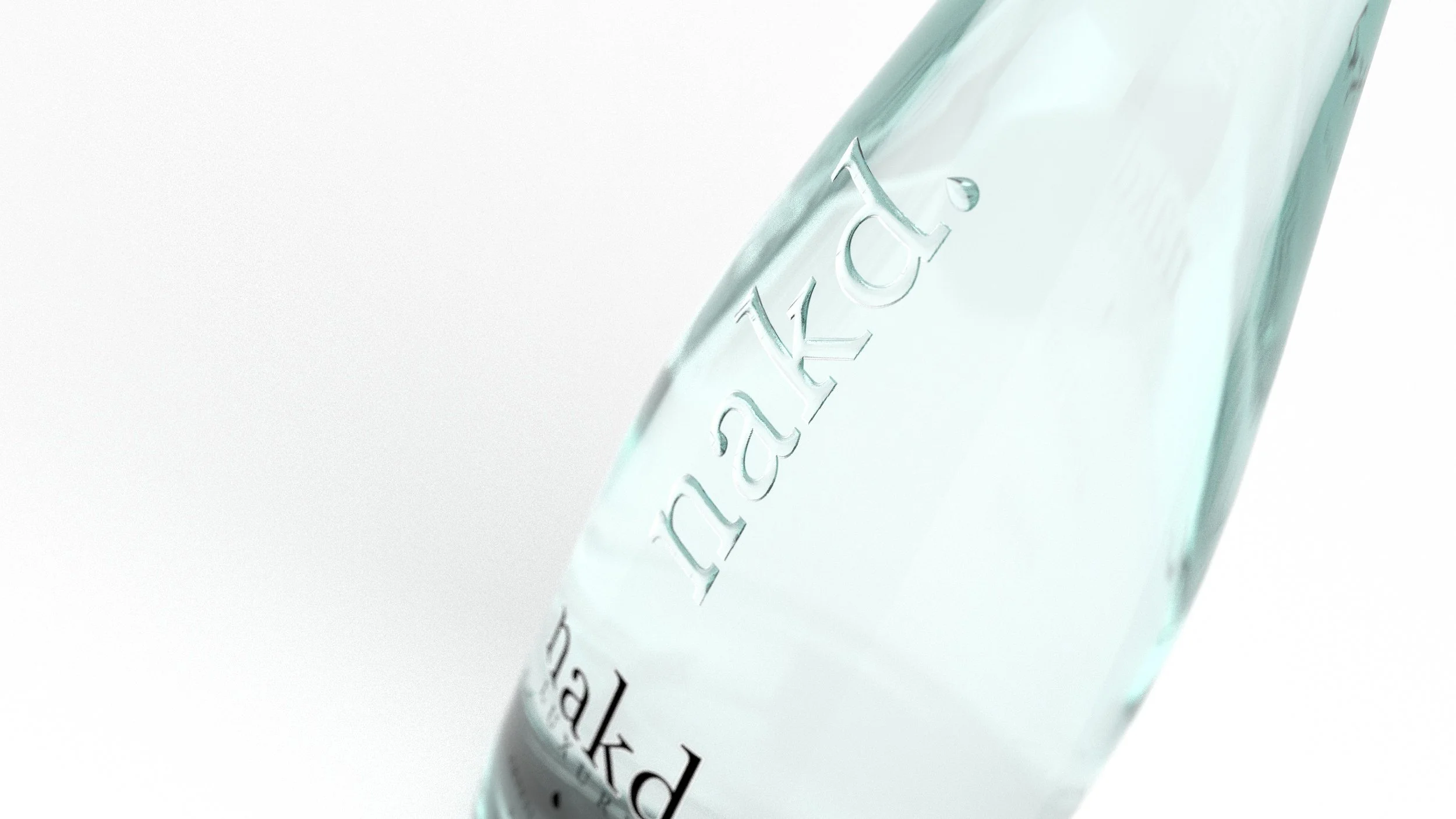
Custom Bottle Design: Turning Packaging into a Brand Experience.
It All Begins Here
In a crowded marketplace, packaging often provides the first physical interaction a consumer has with a brand. While labels and graphics play an important role, the bottle itself can be one of the most powerful tools for creating recognition, connection, and ownership.
Custom bottle design is more than packaging — it's a three-dimensional canvas that transforms form, texture, and surface detail into opportunities for storytelling. Every curve, embossing, texture, and contour contributes to how a product is perceived, handled, and remembered.
Whether it's a subtle geometric pattern, a distinctive embossed logo, or an organic surface inspired by nature, these details help elevate a brand beyond the ordinary. Well-executed structural packaging not only enhances shelf presence but can also create a more engaging consumer experience and strengthen brand recognition over time.
However, creating a successful custom bottle requires more than a great idea. Design intent must be balanced with manufacturing requirements, decoration constraints, filling line considerations, and tooling limitations. This is where technical development plays a critical role in transforming concepts into commercially viable products.
At juice3D, we help brands, creative agencies, and manufacturers bring custom bottle concepts to life. From a quick sketch on the back of a napkin to a detailed technical brief, we translate ideas into accurate 3D CAD models ready for evaluation, visualisation, tooling, and production.
Our expertise spans structural packaging design, advanced surface development, embossing integration, and production-ready CAD delivery across glass, plastic, and cartonboard packaging formats.
If you're considering a custom bottle for your next product launch, we'd love to help turn your idea into a manufacturable packaging solution that stands out on shelf and succeeds in market.
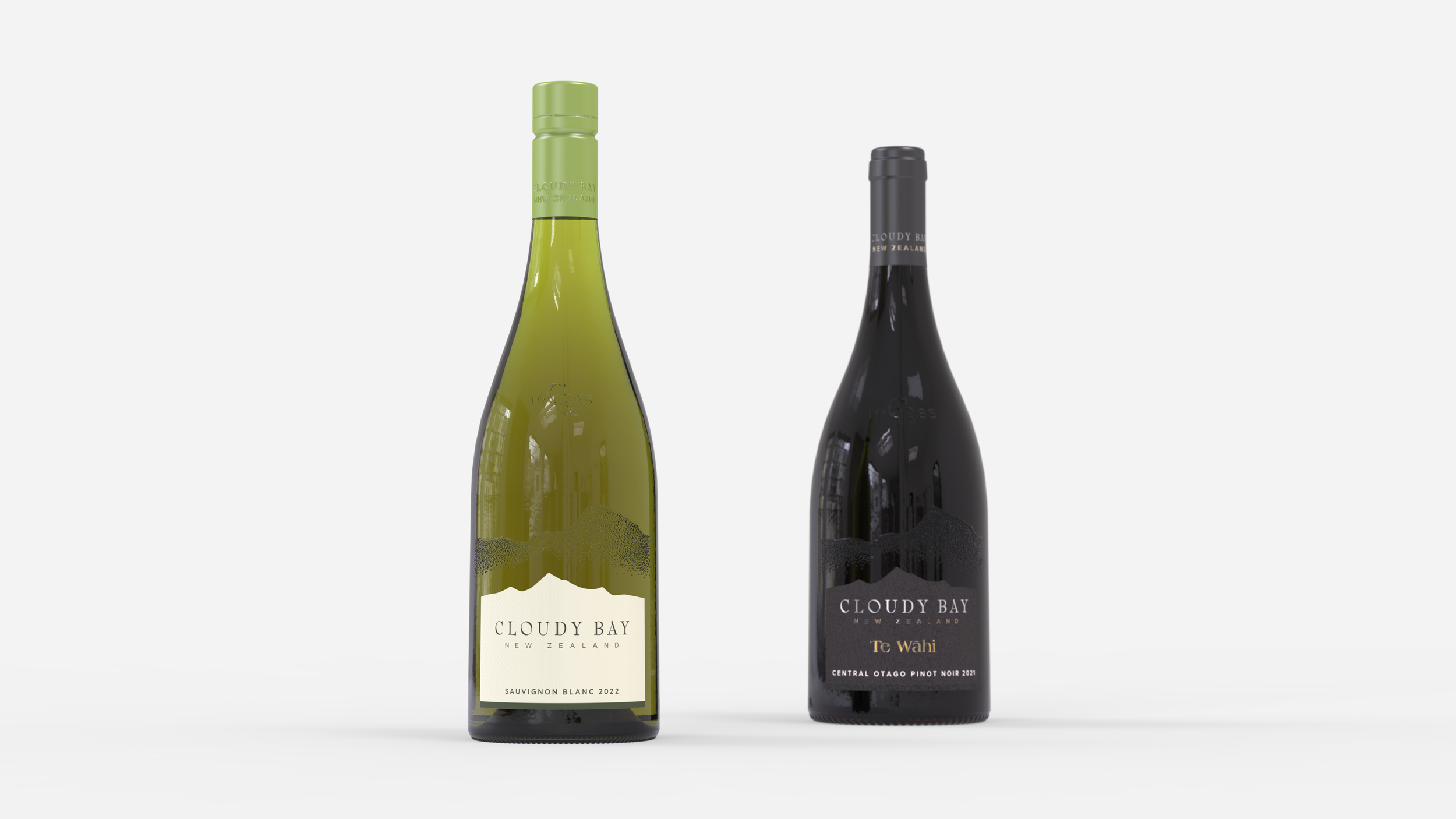
Bringing the Cloudy Bay Mountain Range to Life.
It All Begins Here
Packaging details often tell a story long before a consumer reads the label. For the latest Cloudy Bay bottle, that story is expressed through a distinctive mountain range embossing inspired by the landscape that defines the brand.
We were privileged to support the development of this iconic bottle, collaborating with Aruliden and VISY Glass to transform the original design concept into a manufacturable glass package.
While the mountain range embossing appears effortless in the finished bottle, significant technical development was required behind the scenes. Every embossed element needed to be carefully modelled and refined to ensure it could be successfully reproduced within the constraints of glass manufacturing while maintaining the integrity of the original design vision.
Using advanced 3D CAD development techniques, we translated the creative concept into production-ready geometry, balancing aesthetic requirements with the technical considerations necessary for tooling and manufacture. Particular attention was given to ensuring the embossed details remained crisp, consistent, and faithful to the intended design throughout the production process.
Projects like this demonstrate the important role technical packaging development plays in bringing creative ideas to life. Successful packaging isn't simply about creating a compelling concept—it's about ensuring that concept can be manufactured accurately and consistently at scale.
We are proud to have contributed to a project that so effectively combines brand storytelling, craftsmanship, and technical execution, helping bring a distinctive new expression of the Cloudy Bay brand to market.